Ever wonder how many customers you have lost without even knowing it? Not the ones who complained, not the ones who asked for a refund, but the ones who messaged once, waited, and simply never came back. This happens across Pakistan every single day, and it is the exact gap that pushed businesses toward WhatsApp chatbot for businesses solutions in the first place.
But automation is not a straight swap for your support team. Some conversations genuinely need a human voice, and building a chatbot that ignores this ends up costing more trust than it saves in salaries. The real skill lies in knowing where to draw that line, and that is what this article breaks down.
Why WhatsApp Chatbots Work So Well for Routine Conversations?
Pakistan has over 110 million WhatsApp users, and for most local businesses, this app is not a side channel. It is the main place where customers ask questions, compare prices, and decide whether to buy. When a shop in Lahore or a service provider in Islamabad gets 30 to 50 enquiries a day, replying within seconds instead of hours can make the difference between closing a sale and losing it.
This is exactly where a chatbot earns its place. It handles the same five questions your team hears every day. Customers can get delivery timelines and order status updates without waiting for an agent. These tasks can also run reliably at any time. Industry data backs this up clearly. An automated WhatsApp reply costs a fraction of what a human agent conversation costs. Well-built bots now resolve roughly 55 to 70 percent of routine queries without staff intervention. That is not a small number. It means your support team stops repeating the same answers all day. They finally get more time for conversations that actually need judgment.
Where a Bot Should Step Aside and Let a Human Take Over
Chatbots are excellent until a conversation stops following a predictable pattern. A customer disputing a refund may need more than a scripted reply. The same applies to someone negotiating a bulk order or frustrated by a delayed delivery. These customers want to feel heard by someone who can actually make a decision. Across customer service studies, most people still say they prefer a human agent when a query becomes complex or emotional. That preference has barely moved even as AI has improved.
This is the part businesses get wrong most often. An AI-powered WhatsApp chatbot can cause more harm than no chatbot if it keeps guessing instead of escalating. It wastes the customer’s time before they finally reach someone who can help. A smarter approach is to use a bot that recognises its own limits. It should hand the conversation over immediately when needed. The bot should also pass along the full chat history. This way, the customer never has to repeat themselves.
Why This Matters More in Pakistan Than Almost Anywhere Else
For Pakistani businesses, WhatsApp is not simply a support channel, it functions as the storefront itself. Customers browse products, negotiate prices, and complete payments, all inside one continuous chat thread. That turns response speed into a direct sales metric rather than a customer service statistic. It also matters for diaspora buyers in the UK, UAE, and the US, who expect the same instant reply a local shopper gets, regardless of what time it is back home.
This is why customer support automation built for the Pakistani market has to go beyond a basic FAQ bot that matches keywords. Merchants need something that understands intent, follows a natural conversation, and still knows when to bring in a person.
Building the Right Split: What to Automate, What to Keep Human
A simple rule works for most merchants here like automate whatever repeats itself, and keep a person on anything that requires judgment. FAQs about pricing, hours, and delivery timelines, order status updates, payment link generation, and follow-ups on abandoned orders can all run without a single staff member touching them. Complaints, refund disputes, bulk pricing negotiations, and sensitive account issues should always reach a human, because these are the moments where a customer’s decision to stay loyal actually gets made.
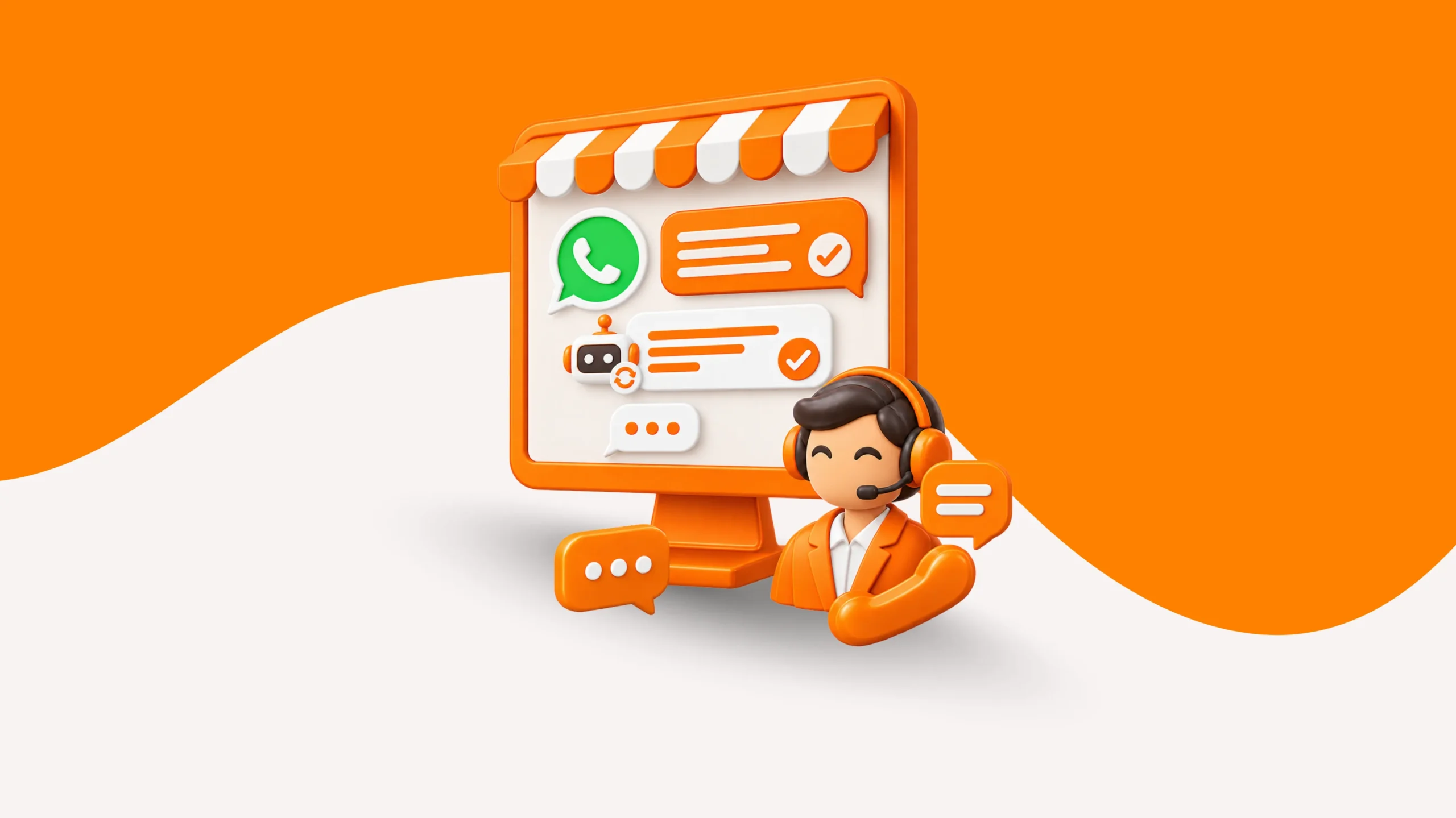
Businesses that get this balance right are running what is best described as a hybrid support model. The bot manages volume and speed, and a person steps in the moment a conversation needs empathy or a judgment call. Combined satisfaction scores from this kind of setup consistently beat either channel running on its own.
How AssanPay’s WhatsApp Chatbot Fits Into This Picture
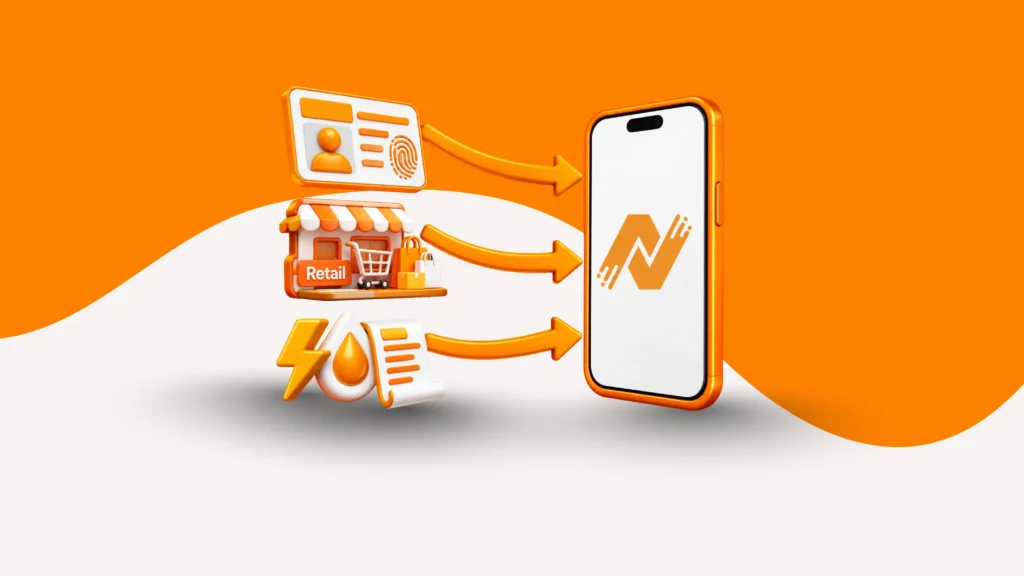
AssanPay merchants already collect WhatsApp payments through Raast, Ewallets like Easypaisa, JazzCash, SahulatPay, and Zindagi, all without the customer ever leaving the chat. The AssanPay WhatsApp AI Chatbot is built on top of that same foundation, so it does not stop at answering questions.
When a customer asks about a product, the chatbot responds with accurate, merchant-configured information instead of a generic script. The moment that customer says they are ready to buy, it gives you multiple payment options right there in the chat and confirms the payment automatically once it clears. If an order gets abandoned midway, it follows up on its own. If a lead comes in through an enquiry, it captures the details for the merchant’s records. Because it runs on AI rather than fixed rule-based scripts, it understands what a customer means, not just the exact words typed, and hands off anything it cannot resolve with the full conversation history intact.
For a merchant, this means fewer sales slipping away after hours. For the support team, it means the inbox stops filling up with the same five questions on repeat.
The Bottom Line
Stop thinking of this as chatbot versus human. The businesses winning on WhatsApp right now are the ones routing intelligently between the two, letting automation carry speed and volume while people carry judgment and trust. Get that balance right, and WhatsApp stops being just another messaging app for your business. It becomes the most efficient sales and support channel you have.
FAQs
01: Should Pakistani businesses completely replace human support with an AssanPay WhatsApp chatbot?
No. AssanPay’s WhatsApp AI Chatbot is best used for routine conversations, while human agents should handle issues that require empathy, judgment, or negotiation.
- AssanPay can handle common FAQs, order updates, and payment-related queries
- Human agents can step in for complaints, refunds, disputes, and negotiations
- This hybrid approach lets businesses automate repetitive work without losing the human touch
02: What can AssanPay’s WhatsApp chatbot automate for a small business?
AssanPay’s WhatsApp AI Chatbot can take care of many repetitive customer conversations, helping small businesses respond faster without having to manually handle every enquiry.
- Answering common questions about products, pricing, and delivery
- Providing order and payment-related updates
- Helping customers through the payment process
- Following up with customers who showed interest but did not complete their purchase
03: Is AssanPay’s WhatsApp chatbot automation too expensive for a small business in Pakistan?
For businesses dealing with a high volume of daily WhatsApp enquiries, AssanPay can reduce the amount of repetitive work that needs to be handled manually.
- AssanPay can respond to routine enquiries automatically
- The chatbot can handle multiple customer conversations at the same time
- Businesses can reserve their support team’s time for conversations that actually need human attention
04: Can customers actually make payments through AssanPay’s WhatsApp chatbot, or does it only answer questions?
AssanPay’s WhatsApp AI Chatbot goes beyond answering questions. It can guide customers through the payment process within the same WhatsApp conversation.
- The chatbot can initiate the payment process when a customer is ready to buy
- Customers can pay through supported options such as Raast, cards, and e-wallets
- AssanPay can confirm the payment once it has been successfully processed
05: How does AssanPay’s WhatsApp chatbot work alongside an existing support team?
AssanPay’s WhatsApp AI Chatbot is designed to support human agents, not simply replace them. It handles routine conversations and can hand over more complex issues when human involvement is needed.
- AssanPay handles repetitive FAQs, product enquiries, and payment-related conversations
- Complex or unresolved issues can be passed to a human agent
- The conversation context can be retained during the handoff, reducing the need for customers to repeat their issue